Project Outcomes & Success Metrics
When we evaluate a completed roofing project, we look beyond the visible surface. A successful roof installation or replacement delivers measurable outcomes: the work meets building code standards, the materials perform as specified, and the installation technique supports the warranty terms we negotiated. This guide helps property managers and owners understand what marks quality roofing work and how to assess whether a contractor delivered results worth the investment.
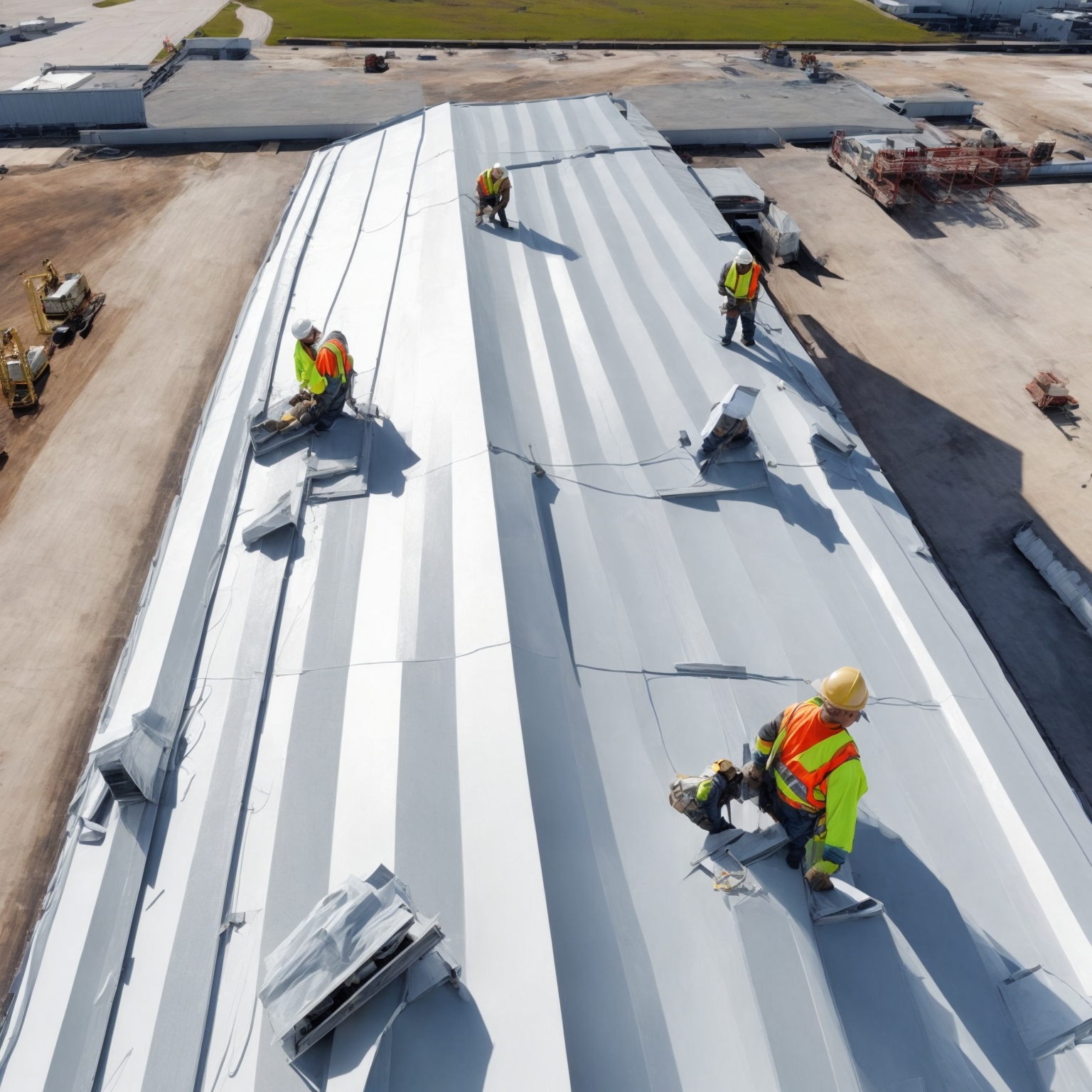
How to use this guide
Before signing off on a project
Schedule a final inspection before payment. Bring this list. A contractor standing behind their work will expect you to look closely. Walk the perimeter with photos of the original condition, check that flashings sit properly where roof meets wall or pipe, verify that seams are sealed and shingles are laid at the correct nail depth (a roofing gauge takes 30 seconds to check), and confirm that debris has been cleared and site restoration is complete.
When evaluating warranty coverage
Material warranties and workmanship warranties are separate. The shingle manufacturer covers defects in the product itself, typically 20-30 years on the shingles but shorter on flashing and trim. The contractor's workmanship warranty covers installation errors—check that your contract specifies years of coverage, what it includes, and what voids it. A contractor who stands behind their installation will put a term in writing.
During the project, not after
Quality control is easier to enforce in progress than to dispute after work is done. Visit the site mid-project. Check that old roofing material is being properly disposed of, that the decking underneath is not damaged or soft, and that new shingles are stored out of direct sun (heat degrades adhesive before installation). Talk to the crew about their approach to ice shield placement and ventilation—contractors cutting corners will rush these details.
Common sticking points
- Why does the invoice list "roof decking replacement" but the scope didn't mention it?
- When old roofing comes off, water damage underneath may become visible for the first time. A contractor uncovers rotted decking and faces a choice: splice a repair (cheaper, weaker) or replace the whole section (proper, more expensive). Legitimate repair work adds to the bill; demand to see the damage and the repair method before approving the change.
- The new shingles look darker than the sample. Is it because they're wet?
- New asphalt shingles darken as they weather, but wet shingles look much darker than they actually are. Wait 48 hours after installation, in dry weather, before judging color. If the shingles remain significantly darker after drying, compare a sample from the installed batch against the one you approved—manufactures can shift the color within their tolerance range from batch to batch.
- What is this extra charge for "ventilation correction"?
- Inadequate attic ventilation shortens roof life dramatically—heat and moisture trapped under the roof cook the shingles from underneath. If your roof lacks soffit vents, ridge vents, or a clear air channel, a thorough contractor will flag it and quote the correction. This is preventive maintenance worth doing; it prevents premature failure of the new roof.
- The gutters weren't replaced, but the contractor says they're undersized for this roof.
- A roof designed to shed water at a certain rate needs gutters matched to that flow. Undersized gutters overflow during heavy rain, which drives water behind fascia and into walls. If your gutters date to the previous roof, they may be inadequate for a modern roof's steeper pitch or larger footprint. Budget for gutter replacement if the existing ones flood during storms.
The reference table
| Inspection checkpoint | What you are checking | Pass / Fail criterion |
|---|---|---|
| Shingle fastening | Nails sit just below the shingle tab, with adhesive stripe intact | Roofing gauge shows 4 nails per tab at correct depth. Adhesive strip not torn or lifted. |
| Flashing seal | Flashing around pipes, vents, and wall penetrations sits flat with sealant bead | No gaps. Sealant is continuous and not cracked or missing. Flashing overlaps shingles correctly. |
| Ridge and hip coverage | Ridge caps seal the peak where two roof planes meet | Ridge cap nails are covered by the next cap course. No exposed nail heads. |
| Soffit and fascia | Trim and gutters are secured to the roof edge | No sagging, separation, or movement when pushed. Caulk joints are sealed. |
| Debris and cleanup | Jobsite is cleared of nails, shingle scraps, and packaging | Walk perimeter and gutters. Use a magnet to check for dropped nails. Landscape undamaged. |
Schedule your inspection on a clear, dry day at least 48 hours after installation is complete. Shingles are more pliable in heat and easier to evaluate after sun exposure. |
||
The detail
One sentence separates a roof built to last from one that survives on luck:
Quality roofing work looks clean at 5 feet and holds every detail at 5 inches.That means the shingles are laid in straight courses, the nail pattern is consistent, flashings are smooth and sealed, and the worksite has been swept. A good contractor finishes by walking every inch with the homeowner or property manager before they leave, pointing out what they've done and where to look if future questions arise.
The outcomes you actually care about are warranty protection and durability. A 20-year material warranty means the shingles will not fail due to manufacturing defect for 20 years—it does not mean the roof will leak-free for 20 years. That depends on proper installation, adequate ventilation, compatible flashing, and regular maintenance. A roof can fail at 12 years from poor installation or last 30 years from excellent installation with the same materials. Protect your investment by paying close attention to the craft during the project, not after it is too late.